Dick Clark survives the Payola scandal
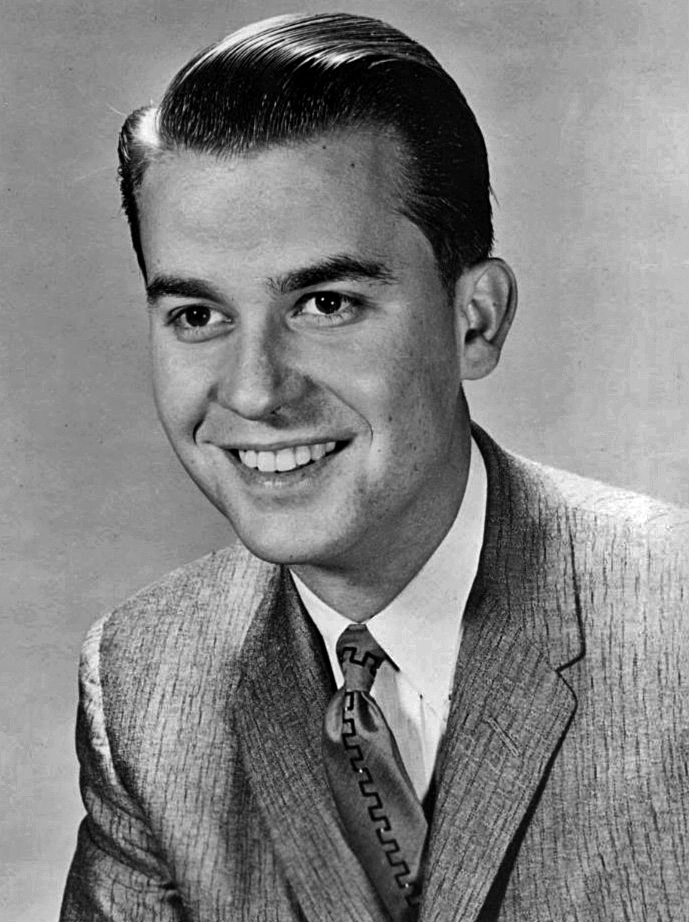
Hes been called Americas Oldest Living Teenager but behind his famously boyish demeanor Clark was a razor-sharp businessmansharp enough to be accused of questionable practices during the early years of rock and roll yet smart enough to set those practices aside when public scrutiny demanded it.On April 2 1960 Dick Clark concluded his second day of testimony in the so-called Payola hearingstestimony that both saved and altered the course of his career.If Alan Freed the disk jockey who gave rock and roll its name was Payolas biggest casualty then Dick Clark was its most famous survivor.It may be difficult for those who first encountered Dick Clark in his TV Bloops and Blunders days to understand the power he once wielded from his platform on American Bandstand but it was great enough in the late 1950s to make a star out of nearly anyone he chose from Connie Francis to Fabian.
It was also great enough to attract the attention of the House Committee on Legislative Oversightthe congressional subcommittee investigating the Payola scandal.At the Payola hearings Clark would testify to holding an ownership stake in a total of 33 different record labels distributors and manufacturers that all profited handsomely from the rise of Clark-anointed stars like Danny and the Juniors and Frankie Avalon.One of the companies in which Clark had a financial interest was Jamie Records the label that made Duane Eddy famous and returned a tidy profit of 31700 to Clark on an initial 125 investment.
Believe me this is not as unusual as it may seem Clark told the Payola committee.I think the crime I have committed if any is that I made a great deal of money in a short time on little investment.But that is the record business.More important than any denials issued by Dick Clark during his Payola testimony was the fact that over the preceding months he hadat the direction of his network ABCdivested himself of all of his ownership interest in music-related businesses and in the roughly 150 pop songs from which he earned royalties as a credited songwriter.
This action in combination perhaps with his good looks and famously ingratiating demeanorthe New York Times called the then-30-year-old Clark smooth slim and youthful on the witness standled Congress to give Clark a pass while encouraging prosecution of the uncooperative Alan Freed.Obviously youre a fine young man is how committee the committee chairman Representative Oren Harris (D-Arkansas) concluded the hearings held on this day in 1960.I dont think youre the inventor of the system I think youre the product.