Gandhi assassinated
Mohandas Karamchand Gandhi the political and spiritual leader of the Indian independence movement is assassinated in New Delhi by a Hindu fanatic.Born the son of an Indian official in 1869 Gandhis Vaishnava mother was deeply religious and early on exposed her son to Jainism a morally rigorous Indian religion that advocated nonviolence.Gandhi was an unremarkable student but in 1888 was given an opportunity to study law in England.In 1891 he returned to India but failing to find regular legal work he accepted in 1893 a one-year contract in South Africa.Settling in Natal he was subjected to racism and South African laws that restricted the rights of Indian laborers.
Gandhi later recalled one such incident in which he was removed from a first-class railway compartment and thrown off a train as his moment of truth.From thereon he decided to fight injustice and defend his rights as an Indian and a man.When his contract expired he spontaneously decided to remain in South Africa and launched a campaign against legislation that would deprive Indians of the right to vote.
He formed the Natal Indian Congress and drew international attention to the plight of Indians in South Africa.In 1906 the Transvaal government sought to further restrict the rights of Indians and Gandhi organized his first campaign of satyagraha or mass civil disobedience.After seven years of protest he negotiated a compromise agreement with the South African government.In 1914 Gandhi returned to India and lived a life of abstinence and spirituality on the periphery of Indian politics.
He supported Britain in the First World War but in 1919 launched a new satyagraha in protest of Britains mandatory military draft of Indians.Hundreds of thousands answered his call to protest and by 1920 he was leader of the Indian movement for independence.He reorganized the Indian National Congress as a political force and launched a massive boycott of British goods services and institutions in India.
Then in 1922 he abruptly called off the satyagraha when violence erupted.One month later he was arrested by the British authorities for sedition found guilty and imprisoned.After his release in 1924 he led an extended fast in protest of Hindu-Muslim violence.In 1928 he returned to national politics when he demanded dominion status for India and in 1930 launched a mass protest against the British salt tax which hurt Indias poor.
In his most famous campaign of civil disobedience Gandhi and his followers marched to the Arabian Sea where they made their own salt by evaporating sea water.The march which resulted in the arrest of Gandhi and 60000 others earned new international respect and support for the leader and his movement.In 1931 Gandhi was released to attend the Round Table Conference on India in London as the sole representative of the Indian National Congress.The meeting was a great disappointment and after his return to India he was again imprisoned.
While in jail he led another fast in protest of the British governments treatment of the untouchablesthe impoverished and degraded Indians who occupied the lowest tiers of the caste system.In 1934 he left the Indian Congress Party to work for the economic development of Indias many poor.His protege Jawaharlal Nehru was named leader of the party in his place.With the outbreak of World War II Gandhi returned to politics and called for Indian cooperation with the British war effort in exchange for independence.
Britain refused and sought to divide India by supporting conservative Hindu and Muslim groups.In response Gandhi launched the Quit India movement it 1942 which called for a total British withdrawal.Gandhi and other nationalist leaders were imprisoned until 1944.In 1945 a new government came to power in Britain and negotiations for Indias independence began.
Gandhi sought a unified India but the Muslim League which had grown in influence during the war disagreed.After protracted talks Britain agreed to create the two new independent states of India and Pakistan on August 15 1947.Gandhi was greatly distressed by the partition and bloody violence soon broke out between Hindus and Muslims in India.In an effort to end Indias religious strife he resorted to fasts and visits to the troubled areas.
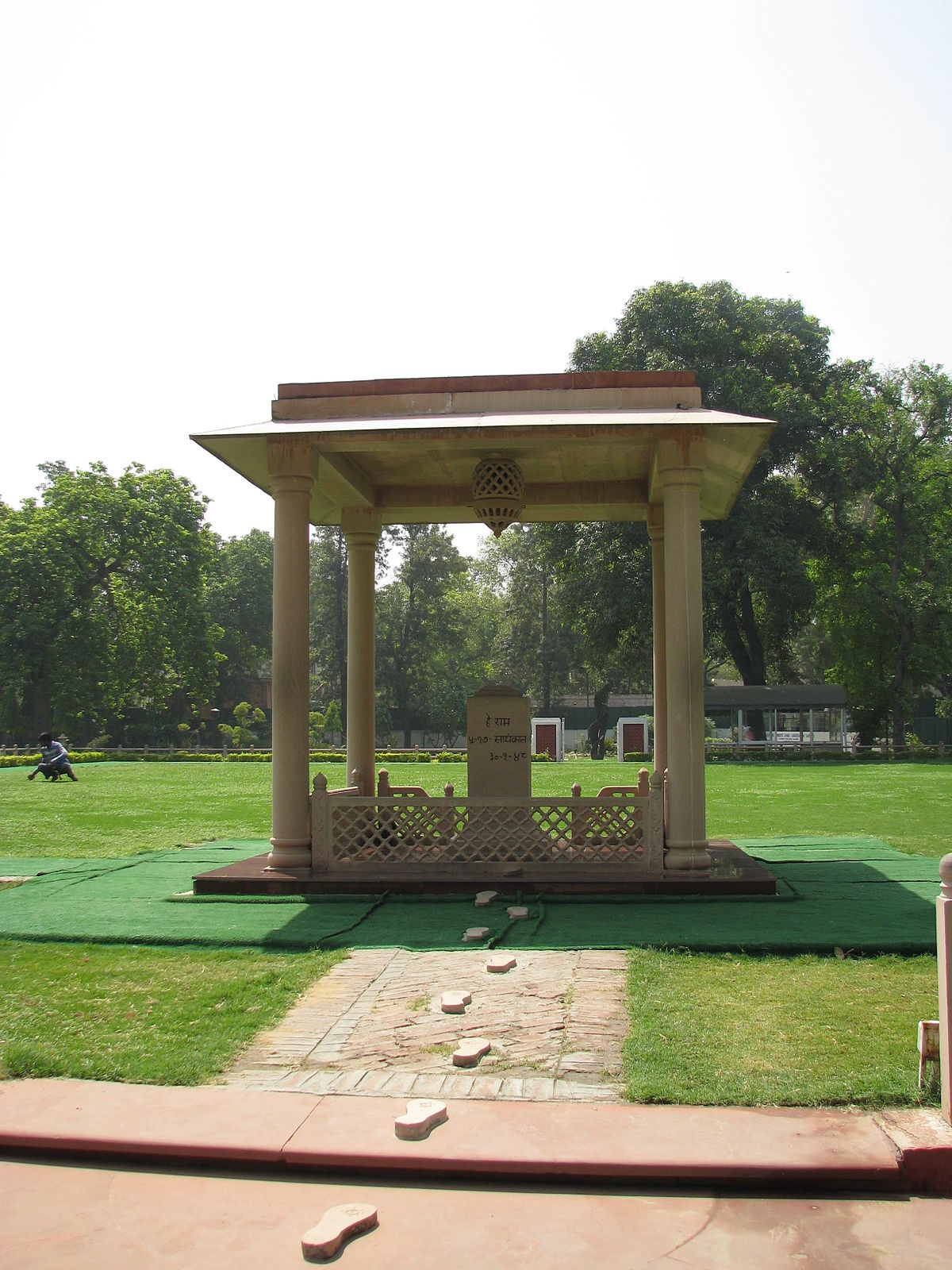
He was on one such vigil in New Delhi when Nathuram Godse a Hindu extremist who objected to Gandhis tolerance for the Muslims fatally shot him.Known as Mahatma or the great soul during his lifetime Gandhis persuasive methods of civil disobedience influenced leaders of civil rights movements around the world especially Martin Luther King Jr.in the United States.