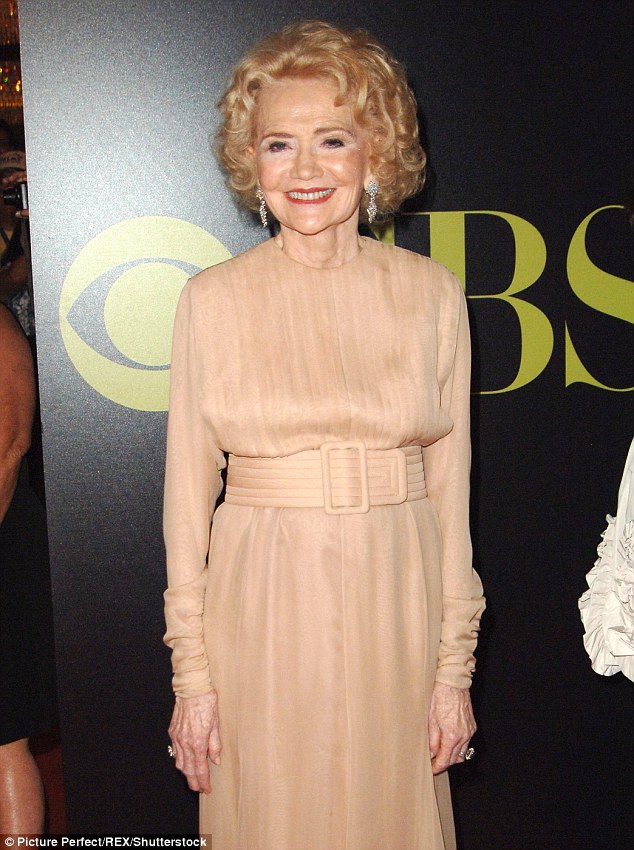
Agnes Nixon, Queen of Modern Soap Opera, born
On this day in 1927 Agnes Nixon the creator of the long-running television soap operas One Life to Live and All My Children and the woman credited with introducing social issues into soaps is born in Chicago.Search for Tomorrow As the World TurnsAnother World and TheGuiding Light TVs longest-running soap which began as a radio show in the 1930s and was later known simply as Guiding Light.Nixon went on to create One Life to Live which debuted in 1968 and centered around two familiesone wealthy one poorin the fictional town of Llanview Pennsylvania.According to TheSoap Opera EncyclopediaOne Life to Live was the first serial to present a vast array of ethnic types broad comic situations a constant emphasis on social issues and strong male characters.The shows main character Victoria Lord (played by Erica Sleazak since 1971) has suffered a long list of health problems including cancer and dissociative identity disorder and has also been forced to contend with such issues as divorce rape and widowhood.In 1970 Nixons second soap creation All My Children premiered.
With Nixon heading up the writing team All My Children which was set in the fictional town of Pine Valley Pennsylvania tackled a wide range of social issues from anti-Vietnam War sentiment in the 1970s to drug addiction depression child abuse and starting in the late 1980s the deadly AIDS epidemic.Although topical provocative storylines are now standard fare for daytime dramas at the time Nixon began writing her work was trailblazing.In the early 1970s one of All My Childrens main characters Erica Kane played by Susan Lucci since the shows inception was the first daytime character to have a legal abortion.
In 2000 Nixon created a storyline in which another major character Ericas daughter Bianca comes out as a lesbian she later shares the first lesbian kiss on daytime TV.In addition to One Life to Live and All My Children Nixon is also a co-creator of Loving which aired from 1983 to 1995 and was then renamed The City which ran until 1997.