Da Vinci notebook sells for over 5 million
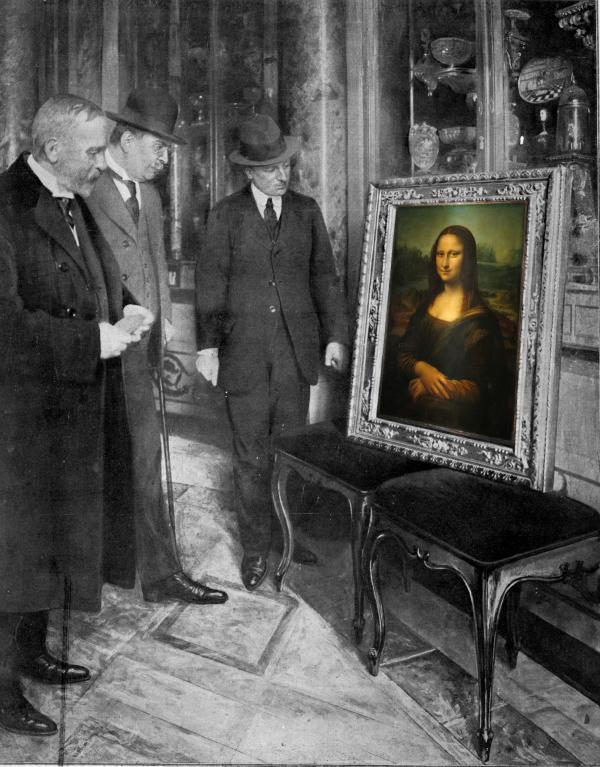
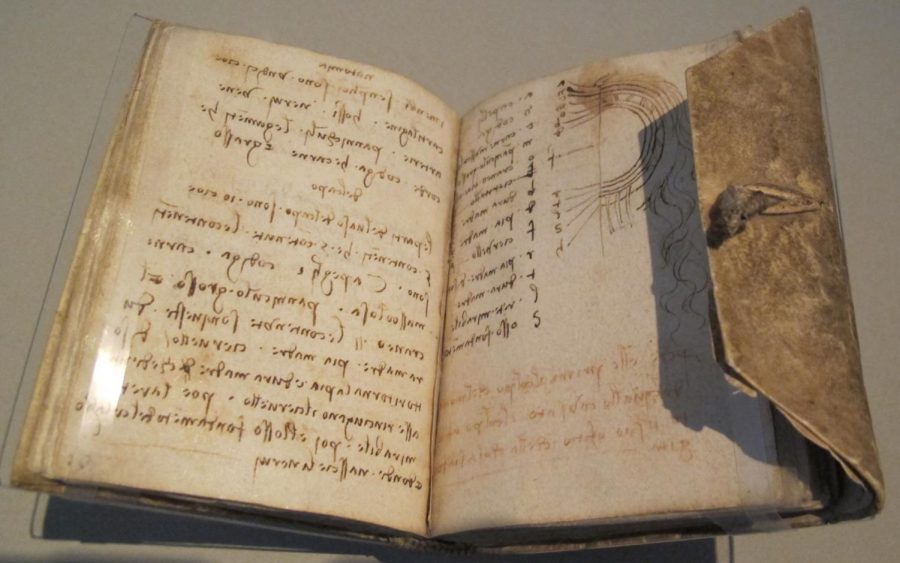
On this day in 1980 American oil tycoon Armand Hammer pays 5126000 at auction for a notebook containing writings by the legendary artist Leonardo da Vinci.The manuscript written around 1508 was one of some 30 similar books da Vinci produced during his lifetime on a variety of subjects.It contained 72 loose pages featuring some 300 notes and detailed drawings all relating to the common theme of water and how it moved.Experts have said that da Vinci drew on it to paint the background of his masterwork the Mona Lisa.
The text written in brown ink and chalk read from right to left an example of da Vincis favored mirror-writing technique.The painter Giuseppi Ghezzi discovered the notebook in 1690 in a chest of papers belonging to Guglielmo della Porto a 16th-century Milanese sculptor who had studied Leonardos work.In 1717 Thomas Coke the first earl of Leicester bought the manuscript and installed it among his impressive collection of art at his family estate in England.More than two centuries later the notebookby now known as the Leicester Codexshowed up on the auction block at Christies in London when the current Lord Coke was forced to sell it to cover inheritance taxes on the estate and art collection.
In the days before the sale art experts and the press speculated that the notebook would go for 7 to 20 million.In fact the bidding started at 1.4 million and lasted less than two minutes as Hammer and at least two or three other bidders competed to raise the price 100000 at a time.The 5.12 million price tag was the highest ever paid for a manuscript at that time a copy of the legendary Gutenberg Bible had gone for only 2 million in 1978.
Im very happy with the price.I expected to pay more Hammer said later.There is no work of art in the world I wanted more than this.
Lord Coke on the other hand was only reasonably happy with the sale he claimed the proceeds would not be sufficient to cover the taxes he owed.Hammer the president of Occidental Petroleum Corporation renamed his prize the Hammer Codex and added it to his valuable collection of art.When Hammer died in 1990 he left the notebook and other works to the Armand Hammer Museum of Art and Cultural Center at the University of California at Los Angeles (UCLA).Several years later the museum offered the manuscript for sale claiming it was forced to take this action to cover legal costs incurred when the niece and sole heir of Hammers late wife Frances sued the estate claiming Hammer had cheated Frances out of her rightful share of his fortune.
On November 11 1994 the Hammer Codex was sold to an anonymous biddersoon identified as Bill Gates the billionaire founder of Microsoftat a New York auction for a new record high price of 30.8 million.Gates restored the title of Leicester Codex and has since loaned the manuscript to a number of museums for public display.