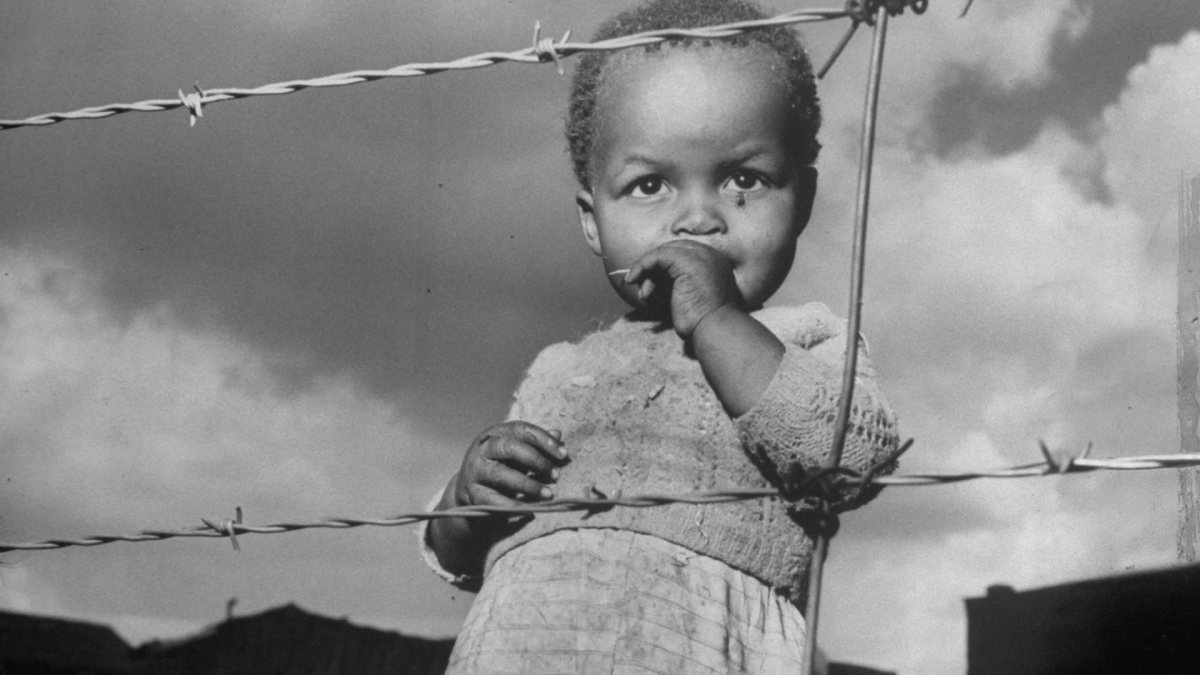
U N condemns apartheid in South Africa
On November 6 1962 the United Nations General Assembly adopts a resolution condemning South Africas racist apartheid policies and calling on all its members to end economic and military relations with the country.In effect from 1948 to 1993 apartheid which comes from the Afrikaans word for apartness was government-sanctioned racial segregation and political and economic discrimination against South Africas non-white majority.Among many injustices blacks were forced to live in segregated areas and couldnt enter whites-only neighborhoods unless they had a special pass.Although whites represented only a small fraction of the population they held the vast majority of the countrys land and wealth.Following the 1960 massacre of unarmed demonstrators at Sharpeville near Johannesburg South Africa in which 69 blacks were killed and over 180 were injured the international movement to end apartheid gained wide support.
However few Western powers or South Africas other main trading partners favored a full economic or military embargo against the country.Nonetheless opposition to apartheid within the U.N.grew and in 1973 a U.N.
resolution labeled apartheid a crime against humanity.In 1974 South Africa was suspended from the General Assembly.The Harsh Reality of Life Under Apartheid in South AfricaFrom 1948 through the 1990s a single word dominated life in South Africa.ApartheidAfrikaans for apartnesskept the countrys majority black population under the thumb of a small white minority. The segregation began in 1948 after the National Party came to power.
The party instituted policies of white supremacy which empowered white South Africans descendents from Dutch and British settlers while further disenfranchising black Africans. View the 10 images of this gallery on the original articleAfter decades of strikes sanctions and increasingly violent demonstrations many apartheid laws were repealed by 1990.Finally in 1991 under President F.W.de Klerk the South African government repealed all remaining apartheid laws and committed to writing a new constitution.
In 1993 a multi-racial multi-party transitional government was approved and the next year South Africa held its first fully free elections.Political activist Nelson Mandela who spent 27 years in prison along with other anti-apartheid leaders after being convicted of treason became South Africas new president.In 1996 the South African Truth and Reconciliation Commission (TRC) established by the new government began an investigation into the violence and human rights violations that took place under the apartheid system between 1960 and May 10 1994 (the day Mandela was sworn in as president).The commissions objective was not to punish people but to heal South Africa by dealing with its past in an open manner.
People who committed crimes were allowed to confess and apply for amnesty.Headed by 1984 Nobel Peace Prize winner Archbishop Desmond Tutu the TRC listened to testimony from over 20000 witnesses from all sides of the issuevictims and their families as well as perpetrators of violence.It released its report in 1998 and condemned all major political organizationsthe apartheid government in addition to anti-apartheid forces such as the African National Congressfor contributing to the violence.
Based on the TRCs recommendations the government began making reparation payments of approximately 4000 (U.S.) to individual victims of violence in 2003.