First tank produced
On September 6 1915 a prototype tank nicknamed Little Willie rolls off the assembly line in England.Little Willie was far from an overnight success.It weighed 14 tons got stuck in trenches and crawled over rough terrain at only two miles per hour.
However improvements were made to the original prototype and tanks eventually transformed military battlefields.The British developed the tank in response to the trench warfare of World War I.In 1914 a British army colonel named Ernest Swinton and William Hankey secretary of the Committee for Imperial Defence championed the idea of an armored vehicle with conveyor-belt-like tracks over its wheels that could break through enemy lines and traverse difficult territory.The men appealed to British navy minister Winston Churchill who believed in the concept of a land boat and organized a Landships Committee to begin developing a prototype.
To keep the project secret from enemies production workers were reportedly told the vehicles they were building would be used to carry water on the battlefield (alternate theories suggest the shells of the new vehicles resembled water tanks).Either way the new vehicles were shipped in crates labeled tank and the name stuck.The first tank prototype Little Willie was unveiled in September 1915.Following its underwhelming performanceit was slow became overheated and couldnt cross trenchesa second prototype known as Big Willie was produced.
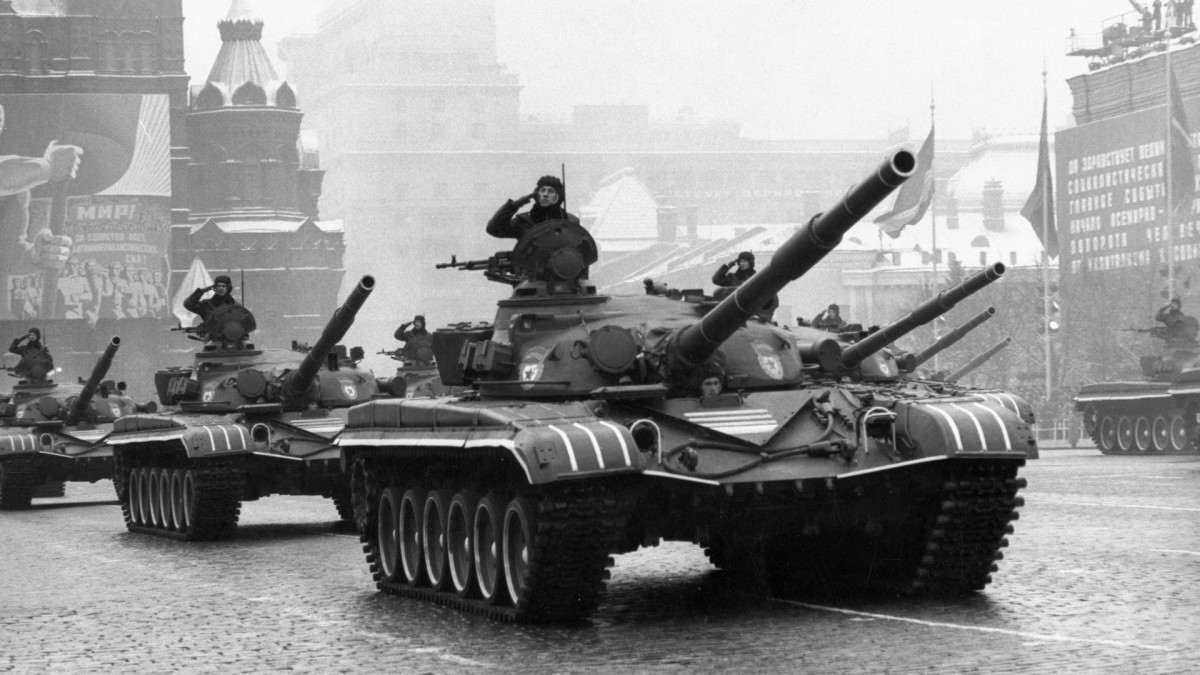
By 1916 this armored vehicle was deemed ready for battle and made its debut at the First Battle of the Somme near Courcelette France on September 15 of that year.Known as the Mark I this first batch of tanks was hot noisy and unwieldy and suffered mechanical malfunctions on the battlefield nevertheless people realized the tanks potential.Further design improvements were made and at the Battle of Cambrai in November 1917 400 Mark IVs proved much more successful than the Mark I capturing 8000 enemy troops and 100 guns.Tanks rapidly became an important military weapon.
During World War II they played a prominent role across numerous battlefields.